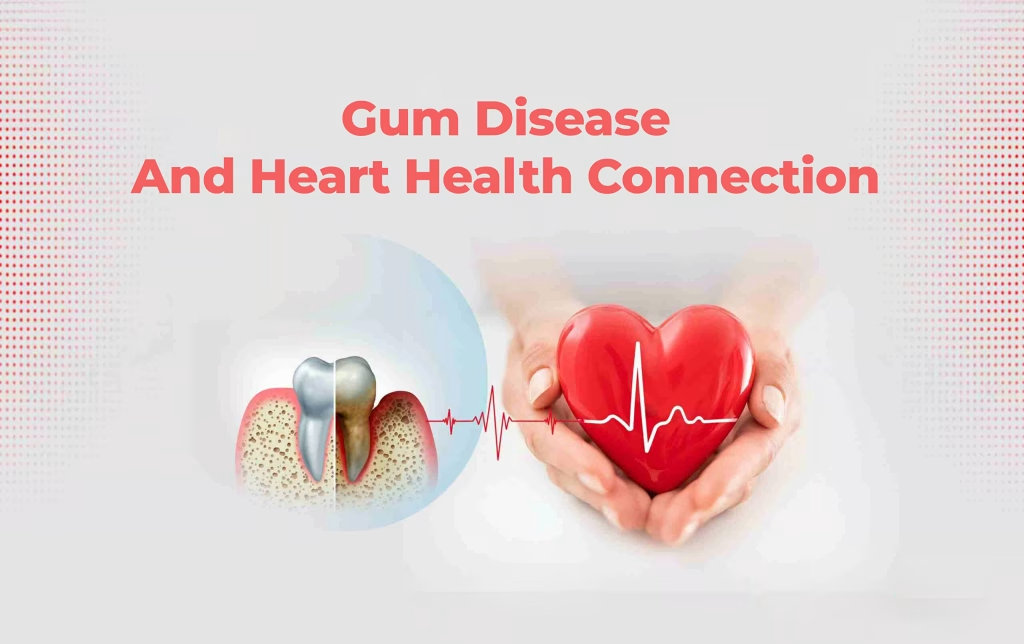
Gum disease (also known as periodontal disease) is an infection of the tissues that support your teeth.
It typically starts as gingivitis (red, swollen, or bleeding gums) and can progress to periodontitis, where the bone supporting your teeth is gradually lost.
How is gum disease linked to heart health?
Research shows a strong association between gum disease and cardiovascular conditions.
There are two main ways they are connected:
1. Bacteria entering the bloodstream
Bacteria from infected gums can enter your bloodstream and travel to the heart, contributing to plaque buildup in arteries.
2. Chronic inflammation
Gum disease causes ongoing inflammation, which may increase the risk of:
- Heart disease
- Stroke
- Blocked arteries (atherosclerosis)
Can treating gum disease improve heart health?
Treating gum disease reduces inflammation in the body, which may help lower overall health risks.
Simple steps can make a significant difference:
- Brush twice daily with fluoride toothpaste
- Floss or use interdental brushes daily
- Attend regular dental check-ups and cleans
- Avoid smoking
- Maintain a healthy diet and lifestyle
While it doesn’t replace medical care for heart conditions, maintaining healthy gums is an important part of your whole-body health strategy.
What Are the Early Signs of Gum Disease?
Gum disease often develops gradually, and some people may not notice significant discomfort in its early stages.
Common warning signs include:
- Red, swollen or tender gums
- Bleeding when brushing or flossing
- Persistent bad breath
- Gums pulling away from the teeth
- Loose teeth or changes in your bite
Bleeding gums should not be ignored, even if there is no pain. Early gum inflammation, known as gingivitis, can often be reversed with professional care and improved oral hygiene.
However, more advanced gum disease, called periodontitis, can damage the tissues and bone supporting your teeth.
How Is Gum Disease Diagnosed and Treated?
During a dental examination, your dentist will assess the condition of your gums and look for signs of inflammation or infection.
This may involve measuring the spaces between your teeth and gums, checking for bleeding and reviewing dental X-rays when necessary.
Treatment depends on the severity of the condition.
For early gum disease, professional cleaning and improved home care may help restore gum health.
For periodontitis, more thorough cleaning beneath the gumline may be required to remove plaque and hardened deposits. Some patients may also need ongoing periodontal maintenance or referral to a specialist.
Regular monitoring is important because gum disease can progress without causing significant pain.
Does Gum Disease Directly Cause Heart Disease?
Research has identified an association between gum disease and cardiovascular conditions. However, this does not necessarily mean that gum disease directly causes heart disease.
Both conditions share several risk factors, including smoking, diabetes and chronic inflammation.
Researchers continue to investigate whether treating gum disease can influence cardiovascular outcomes. At present, there is insufficient evidence to conclude that periodontal treatment prevents heart attacks or strokes.
Nevertheless, maintaining healthy gums remains important for protecting your teeth, supporting oral function and reducing inflammation associated with periodontal disease.
Why Is Communication Between Your Dentist and Doctor Important?
If you have a history of heart disease, diabetes or other medical conditions, tell your dentist and provide an updated list of your medications.
Some medicines may affect bleeding, gum health or dental treatment planning.
Your dentist can consider your medical history when recommending appropriate care and, where necessary, communicate with your treating doctor.
At Mitcham Central Dental, we encourage patients to view oral health as an important part of their overall healthcare.
Why is this important for patients in Mitcham and Melbourne?
Modern research continues to show that oral health is closely linked to overall health.
At Mitcham Central Dental, we take a preventive, whole-health approach — helping you protect not just your smile, but your long-term wellbeing.
When should I see a dentist?
If you have:
- Bleeding gums
- Ongoing bad breath
- Gum recession
- Or haven’t had a check-up in 6+ months
…it’s time to book a visit.
Early treatment is simple, effective, and can prevent more serious complications. Book your first step towards early prevention of gum disease with us at Mitcham Central Dental today on the link below: